UNITED KINGDOM
 Australia
 World
World


STP Analysis
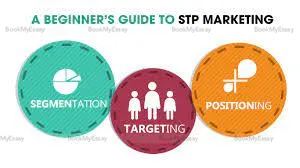
STP Analysis, a cornerstone of strategic marketing, stands for Segmentation, Targeting, and Positioning. This methodological framework empowers marketers to dissect their target audience, tailor their strategies, and fortify their market position.
Segmentation involves categorizing the market into distinct groups based on shared characteristics, such as demographics, psychographics, or behaviors. Once segments are identified, Targeting comes into play, enabling marketers to select the most lucrative segments and concentrate resources for optimal impact.
Positioning, the final step, focuses on creating a unique and compelling image for the product or service within the minds of the target audience. Crafting a distinct value proposition and differentiation strategy ensures that the brand occupies a distinctive place in the market.
STP Analysis is a dynamic process, providing marketers with invaluable insights to refine their approach and stay ahead in the ever-evolving landscape of marketing, driving effective campaigns and fostering long-term success.
What Does STP Analysis Stand For In Marketing Strategy?
STP analysis in marketing strategy refers to the segmentation, targeting, and positioning approach that businesses employ to understand and meet the diverse needs of their customer base. It is a crucial framework used extensively in marketing research and coursework to develop effective strategies.
Segmentation involves dividing the market into distinct groups based on similar characteristics, allowing companies to tailor their offerings to specific consumer segments. Targeting involves selecting the most promising segments to focus marketing efforts on, ensuring resource optimization. Finally, positioning involves creating a unique and compelling image for a product or service within the minds of the target audience.
This strategic framework enables businesses to align their marketing efforts with consumer preferences and market dynamics, enhancing the likelihood of success. Marketing courses often delve deep into STP analysis, emphasizing its significance in crafting targeted and impactful marketing strategies that resonate with diverse consumer segments. As a cornerstone of marketing strategy, STP analysis plays a pivotal role in navigating the competitive landscape and achieving business objectives.
How Does Segmentation Contribute To The STP Analysis Process?
Segmentation plays a crucial role in the STP (Segmentation, Targeting, Positioning) analysis process within the realm of marketing. In a Marketing Case Study or Marketing Behavior Assignment, understanding the intricacies of segmentation is paramount. This process involves dividing a heterogeneous market into smaller, more manageable segments based on common characteristics, needs, or behaviors. Segmentation allows marketers to identify and prioritize target segments with distinct preferences and demands.
In the STP analysis, after segmentation, comes targeting—where specific segments are chosen for concentrated marketing efforts. This ensures a more personalized and effective approach. Subsequently, positioning involves crafting a unique brand image to resonate with the chosen segments. Effective segmentation helps tailor marketing strategies, messages, and offerings, enhancing their relevance and resonance. Through this process, marketers can optimize resource allocation and create a more compelling connection with their audience, a critical aspect explored in Marketing Behavior Assignment or Marketing Case Studies. Overall, segmentation contributes significantly to refining and optimizing the STP analysis, fostering strategic marketing decisions.
Why Is Targeting A Crucial Step In STP Analysis?
Targeting is a critical step in the Segmentation, Targeting, and Positioning (STP) analysis, especially when seeking Assignment Help Online or Assignment Assistance. It involves selecting a specific market segment to focus on, aligning a product or service with the identified needs and preferences of that segment. Effective targeting ensures that resources are allocated efficiently and marketing efforts are tailored to resonate with the chosen audience. In the context of online assignment assistance, identifying the right target market allows providers to customize their offerings, messaging, and delivery methods to better meet the unique requirements of students seeking help. This strategic approach enhances the overall effectiveness of marketing campaigns and improves the chances of connecting with the intended audience. Without proper targeting, the efforts to reach potential users might be scattered, resulting in wasted resources and missed opportunities to address the specific needs of those seeking online assignment help.
Notable Features Of BookMyEssay
BookMyEssay stands out as an exceptional academic writing service, offering notable features that cater to students striving to excel in their marketing coursework. This platform goes beyond conventional assistance, providing comprehensive support and guidance to enhance learning outcomes. With a focus on "How to Excel in Your Marketing Coursework? Tips and Strategies," BookMyEssay offers expert writers well-versed in marketing concepts. These professionals employ innovative strategies, ensuring that assignments not only meet academic standards but also reflect a deep understanding of marketing principles. The service emphasizes timely delivery, affording students the opportunity to review and comprehend the material thoroughly. BookMyEssay prioritizes confidentiality, ensuring the privacy of each client. Additionally, the platform's customer support is available 24/7, fostering seamless communication between students and writers. By combining expertise, punctuality, and a commitment to student success, BookMyEssay stands as a reliable ally for those navigating the challenges of marketing coursework.
Popular Subject
- Cheap Homework Help
- Do My Essay Online
- London Assignment Writing Help
- Write My Assignment for Me
- A+ Certified Professional Assign...
- Yahoo! Query Language Assignment...
- Competition and Consumer Law Ass...
- Law Dissertation Assignment Help
- History Homework Writing Help
- Bamboo Flooring Assignment Help
- AP Style Writing Assignment Help
- Business Cycle Assignment Help
Rating

Charles
Australia
Rating:
Everything is good and helpdesk supports is cooperative, all problems of my assignment are solved perfectly.

Johnson
USA
Rating:
Thank you BookMyEssay for all your great services. I am so happy that I get this assistance with my study.

 3 Bellbridge Dr, Hoppers Crossing, Melbourne VIC 3029