UNITED KINGDOM
 Australia
 World
World


Managerial Roles
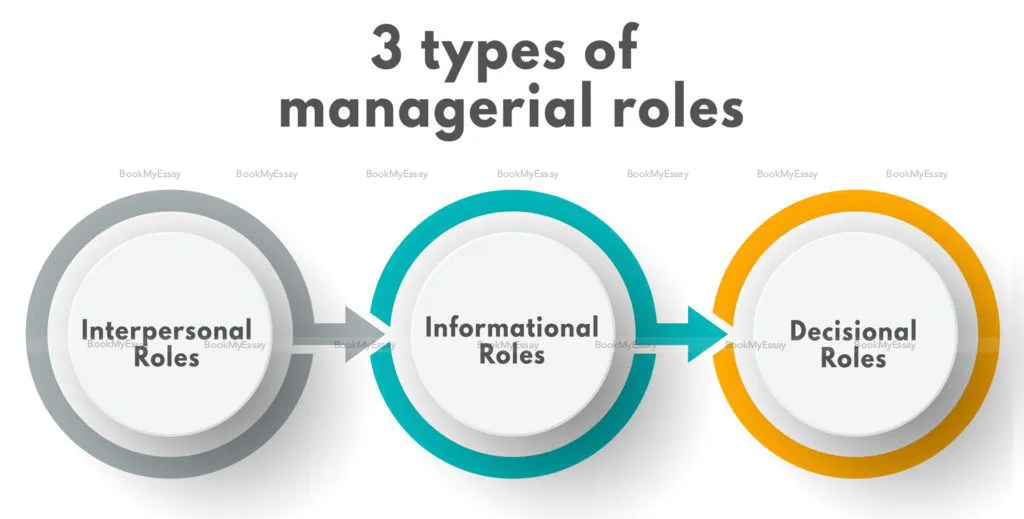
Managerial roles play a crucial part in organizational success, as highlighted by Henry Mintzberg's seminal work on managerial roles. Mintzberg identified ten distinct roles that managers often play, categorized into three groups: interpersonal, informational, and decisional. These roles encompass a manager's interactions with individuals both inside and outside the organization, their handling of information, and their involvement in decision-making processes.
Understanding Mintzberg's managerial roles is essential for effective leadership. Managers must balance interpersonal skills, such as being a figurehead or a leader, with informational roles like monitoring and disseminating information. Decisional roles, including being a negotiator or a resource allocator, require managers to make critical choices that impact the organization's trajectory.
For students seeking insights into managerial roles or assistance with their Management Employee Relations assignment, understanding Mintzberg's framework is invaluable. It provides a comprehensive perspective on the multifaceted nature of managerial responsibilities, helping them analyze and apply these roles in real-world scenarios. Management Employee Relations assignment help services can guide students in exploring practical applications of Mintzberg's managerial roles within the context of employee relations, contributing to a well-rounded education in management.
In Organisational Management, What Are Managerial Roles?
Managerial roles in organizational management are crucial for effective leadership and operational efficiency. These roles encompass a range of responsibilities and behaviors that managers undertake to achieve organizational goals. In an organizational behavior assignment, understanding these roles is vital for comprehending the dynamics of managerial functions.
One aspect emphasized in "Assignment Help Online" services is the categorization of managerial roles into three main categories: interpersonal, informational, and decisional roles. Interpersonal roles involve interactions with individuals both inside and outside the organization, such as figurehead, leader, and liaison roles. Informational roles focus on the gathering, processing, and dissemination of information within the organization, including monitor, disseminator, and spokesperson roles. Decisional roles revolve around making choices that affect the organization's direction, including entrepreneur, disturbance handler, resource allocator, and negotiator roles.
By grasping these roles, students seeking "organizational behavior assignment help" can better analyze real-world managerial situations and develop strategies for effective leadership and decision-making. Understanding these roles aids in navigating the complexities of organizational management, enabling managers to fulfill their responsibilities efficiently while driving organizational success.
How Are Informational And Interpersonal Roles Different In The Framework?
In the framework of examining the various methods for Customer Relationship Management (CRM), the informational and interpersonal roles play distinct yet interconnected parts. Informational roles involve the processing and dissemination of relevant data within an organization. In the context of CRM, this might include customer feedback, preferences, and purchase history. Informational roles are crucial for making informed decisions and enhancing customer satisfaction.
On the other hand, interpersonal roles focus on the relationships between individuals within an organization and with external entities. In the CRM framework, interpersonal roles involve direct interactions with customers, ensuring effective communication, and addressing their needs. This facet emphasizes the human element in customer relations, fostering trust and loyalty.
An assignment help provider delving into CRM strategies should understand the significance of both roles. Informational roles enable data-driven decision-making, while interpersonal roles build the necessary connections to implement these decisions successfully. A comprehensive approach to CRM acknowledges and balances these roles, ensuring a harmonious integration of information and human interaction for optimal customer engagement and organizational success.
What Helps Students Understand Managerial Roles? How Does BookMyEssay Help?
Understanding managerial roles is crucial for students pursuing business studies. Managerial roles encompass planning, organizing, leading, and controlling within an organization. To grasp these concepts effectively, students often seek assistance from Assignment Writing Help Tutors. These tutors play a vital role in elucidating managerial principles through personalized guidance and support.
BookMyEssay, a renowned platform for academic assistance, stands out as a reliable resource for students navigating managerial studies. The platform offers a team of expert tutors well-versed in managerial roles and responsibilities. They provide comprehensive insights, helping students comprehend theoretical frameworks and apply them to real-world scenarios.
BookMyEssay's assistance goes beyond traditional classroom learning, offering tailored solutions to assignments and projects. This not only aids in understanding managerial roles but also enhances practical application skills. The platform's commitment to quality education and personalized support ensures that students receive the necessary tools to excel in their studies, fostering a deeper understanding of managerial roles and responsibilities in the dynamic business environment. With BookMyEssay, students find a valuable ally in their academic journey, empowering them to succeed in the complex realm of managerial studies.
Popular Subject
- Cheap Homework Help
- Do My Essay Online
- London Assignment Writing Help
- Write My Assignment for Me
- A+ Certified Professional Assign...
- Yahoo! Query Language Assignment...
- Competition and Consumer Law Ass...
- Law Dissertation Assignment Help
- History Homework Writing Help
- Bamboo Flooring Assignment Help
- AP Style Writing Assignment Help
- Business Cycle Assignment Help
Rating

Charles
Australia
Rating:
Everything is good and helpdesk supports is cooperative, all problems of my assignment are solved perfectly.

Johnson
USA
Rating:
Thank you BookMyEssay for all your great services. I am so happy that I get this assistance with my study.

 3 Bellbridge Dr, Hoppers Crossing, Melbourne VIC 3029