UNITED KINGDOM
 Australia
 World
World


How To Cite A Dictionary
When citing a dictionary in academic or professional writing, it's essential to adhere to proper citation guidelines. Start with the author's name, if available, followed by the title of the dictionary in italics. Include the edition number if applicable, followed by the publication year. For example: Smith, J. (Ed.). (2020). Merriam-Webster's Collegiate Dictionary (11th ed.). Next, specify the publisher and location of publication. Finally, provide the URL if you accessed the dictionary online. It's crucial to ensure accuracy in your citations, including proper spelling and grammar. Utilizing spell check online tools can assist in detecting and correcting any errors before finalizing your citation. These tools analyze text for spelling, grammar, and punctuation mistakes, enhancing the overall quality of your writing. By incorporating proper citation techniques and utilizing spell check online, you can effectively acknowledge the sources you use and maintain the integrity of your work.
What Is The Correct Format For Citing A Dictionary Entry?
When citing a dictionary entry, it's crucial to adhere to the appropriate format to ensure accuracy and consistency in academic or professional writing. Much like how to cite lines from a poem, the citation style typically follows specific guidelines. In the Modern Language Association (MLA) format, for instance, start with the entry's word in quotation marks, followed by the name of the dictionary italicized, the edition, publication year, and medium.
For example:
"Word." Dictionary Name, Edition, Publication Year.
For instance: "Entropy." Merriam-Webster's Collegiate Dictionary, 11th ed., 2003.
Similarly, in the American Psychological Association (APA) format, you would include the entry's word, the year it was published, the name of the dictionary, the edition, and the publisher.
For example:
Word. (Year). In Dictionary Name (Edition). Publisher.
For instance: Entropy. (2003). In Merriam-Webster's Collegiate Dictionary (11th ed.). Merriam-Webster.
By following these formats diligently, writers can accurately cite dictionary entries, maintaining scholarly integrity and acknowledging the sources appropriately.
Which Elements Are Essential In Citing A Dictionary Entry?
"Do My Homework For Me" necessitates a meticulous approach when citing dictionary entries to ensure accuracy and academic integrity. The essential elements include the word being defined, the edition or version of the dictionary used, the publication year, the dictionary title, and the page number. Following a standardized citation style such as APA, MLA, or Chicago is crucial for consistency and clarity.
In APA style, the citation should include the word, year of publication, dictionary title in italics, edition (if applicable), publisher, and page number. For instance, a citation for the word "algorithm" from the Merriam-Webster dictionary (11th ed.) might look like this: "Algorithm. (2020). Merriam-Webster's Collegiate Dictionary (11th ed.). Merriam-Webster." In MLA format, the citation would include similar elements but with some variation in formatting.
By including these essential elements in the citation, one upholds academic honesty by providing proper credit to the original source while also allowing readers to locate the referenced information easily.
How Do You Properly Cite A Dictionary In Academic Writing?
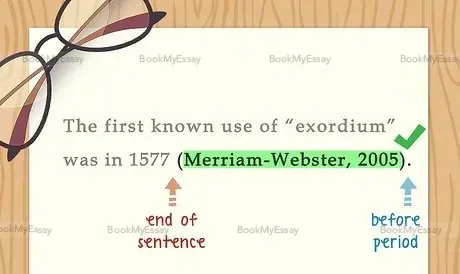
Properly citing a dictionary in academic writing is crucial for maintaining credibility and giving credit to your sources. Depending on the citation style guide you're following, such as APA, MLA, or Chicago, the format may vary slightly. For instance, in APA style, you would include the dictionary entry's author (if available), publication year, entry title, dictionary name, and the URL or DOI if accessed online. In MLA style, you would include the entry title, dictionary name, publication year, and page number (if applicable). Chicago style typically requires the title of the entry, dictionary name, publication year, and page number (if available).
Following the same principle as citing a dissertation in various citation styles, adherence to the specific guidelines of the chosen style is paramount. Just as with a dissertation, accuracy in formatting, punctuation, and information completeness ensures your citation aligns with academic standards. By referencing reputable sources like dictionaries correctly, you bolster the credibility of your work while acknowledging the contributions of others in your research.
What Citation Style Should Be Used For Referencing A Dictionary?
When referencing a dictionary in academic writing assignments, adhering to a specific citation style is essential for maintaining consistency and facilitating proper documentation. The appropriate citation style for referencing a dictionary typically depends on the guidelines provided by the instructor or the academic institution. The Modern Language Association (MLA), the American Psychological Association (APA), and Chicago/Turabian are common reference formats.
In MLA style, the citation for a dictionary entry would typically include the dictionary title, edition (if applicable), publication year, and medium. For example:
"Assignment Writing Help." Merriam-Webster, 2003. Merriam-Webster's Collegiate Dictionary, 11th ed.
In APA style, the citation would include similar elements but with slight variations in formatting, such as italicizing the dictionary title and including the retrieval information if the dictionary is accessed online.
Chicago/Turabian style may also require a slightly different format, including the edition, year, and publisher information.
Ultimately, consulting the specific guidelines of the chosen citation style is crucial for accurately referencing a dictionary in academic assignments.
What Citation Style Does BookMyEssay Recommend For Dictionary Entries?
BookMyEssay recommends using the APA (American Psychological Association) citation style for dictionary entries. In APA style, citing a dictionary entry involves providing the author's name (if available), publication year, title of the entry, the dictionary's edition, publisher, and URL (if accessed online). For example:
Author's Last Name, First Initial. (Year). Title of Entry. In Editor's First Initial. Last Name (Ed.), Title of Dictionary (Edition, if applicable, pp. page range). Publisher. URL (if accessed online).
If the author of the dictionary entry is not available, the entry title serves as the starting element. The APA style emphasizes clarity and consistency in citations to ensure accurate referencing and acknowledgment of sources. By adhering to this citation style, writers can maintain academic integrity and provide readers with the necessary information to locate the cited sources easily. BookMyEssay prioritizes the use of APA style for its precision and widespread acceptance in academic and scientific writing.
Popular Subject
- Cheap Homework Help
- Do My Essay Online
- London Assignment Writing Help
- Write My Assignment for Me
- A+ Certified Professional Assign...
- Yahoo! Query Language Assignment...
- Competition and Consumer Law Ass...
- Law Dissertation Assignment Help
- History Homework Writing Help
- Bamboo Flooring Assignment Help
- AP Style Writing Assignment Help
- Business Cycle Assignment Help
Rating

Charles
Australia
Rating:
Everything is good and helpdesk supports is cooperative, all problems of my assignment are solved perfectly.

Johnson
USA
Rating:
Thank you BookMyEssay for all your great services. I am so happy that I get this assistance with my study.

 3 Bellbridge Dr, Hoppers Crossing, Melbourne VIC 3029